
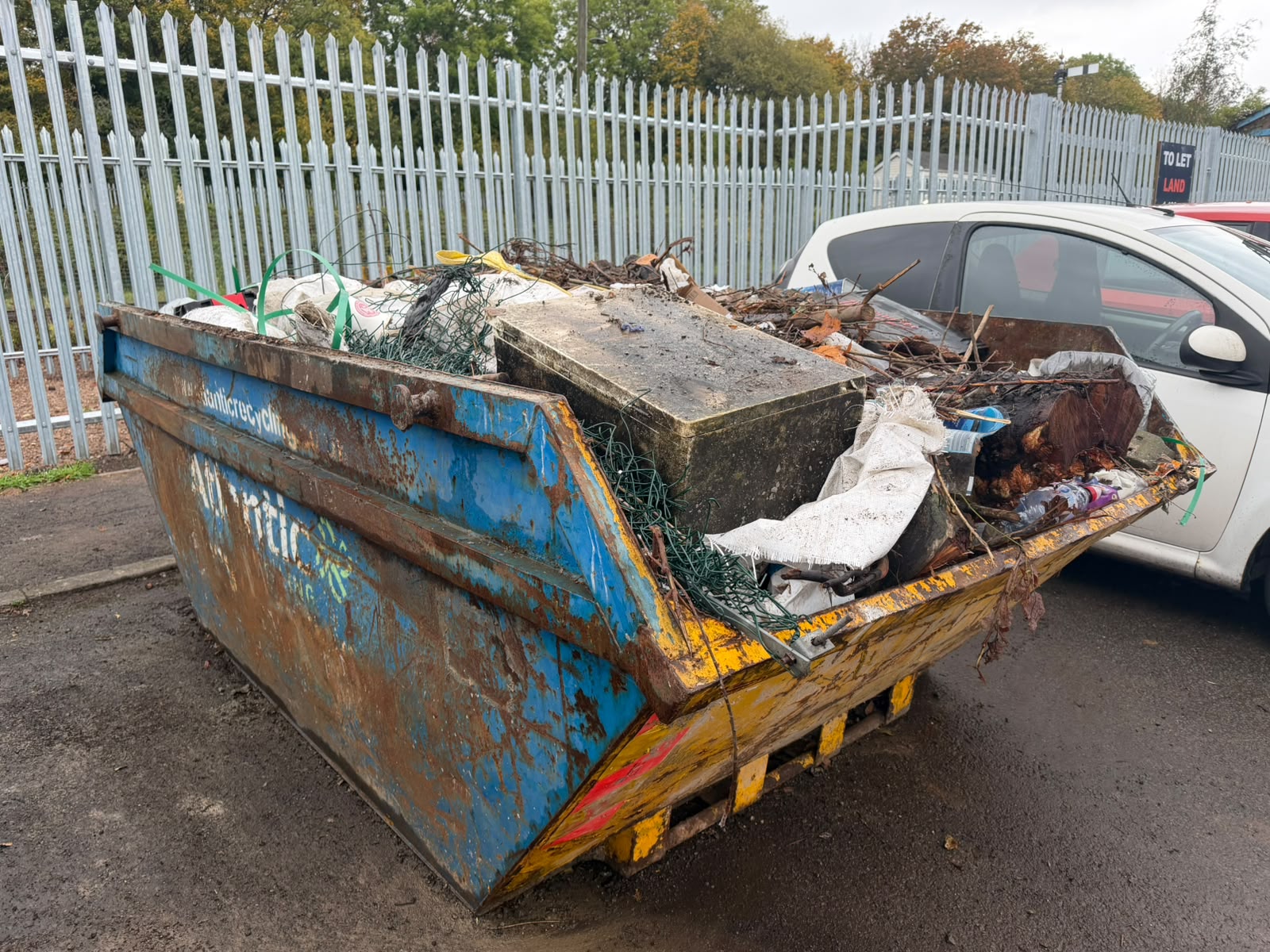
It can be tempting to squeeze as much waste as possible into a skip but filling it above the level load line can cause problems when it comes to collection.
In the past, some people used greedy boards to increase the capacity of their skips, sometimes almost doubling the amount of waste they could hold. However, waste disposal and transport requirements have become stricter, and an overloaded skip is not something to take lightly.
At LWP Site Solutions, we recently helped a customer resolve exactly this situation. What could have turned into an expensive and time-consuming problem was dealt with quickly, cost-effectively and with very little disruption to their business.
Why Can’t You Overfill a Skip?
Skips must be loaded safely, with waste kept level with the top rim. This allows the load to be covered securely with a safety net and transported without material falling onto the road.
If waste is piled above the level load line, the net may not fit securely, creating a risk to other road users, pedestrians and the driver.
Drivers cannot take a chance on collecting an overloaded skip. Transporting an unsafe or insecure load can lead to enforcement action, including fines and penalty points, but the human cost could be far greater; a heavy item falling from the skip and striking someone, particularly on the head, could cause life-changing injuries or even death.
An overloaded skip can therefore mean more than just extra disposal costs. It can delay your project, cause collection problems and leave you needing to arrange an alternative solution.
How Can You Avoid Overloading Your Skip?
A little planning can save time, money and unnecessary hassle.
- Choose the right size skip – If you have a lot of waste to remove, ordering a larger skip from the outset may be the most cost-effective option. LWP can help you find a suitable size based on your requirements.
- Make the most of the space available – Break down bulky items, such as large cardboard boxes or large wood items such as pallets, before putting them into the skip. This can help you use the available space more efficiently.
- Plan for additional waste – If space is limited or your project is likely to generate more waste than expected, you may need a second skip or regular exchanges. Planning this in advance can help avoid delays.
- Arrange collection promptly – Once you have finished using the skip, make sure you have arranged a collection date. This is particularly important if the skip is positioned on a public road or somewhere accessible to passers-by.
- Make sure everyone knows the loading limits – Brief your team and any subcontractors on how to load the skip, making it clear that waste must stay below the level load line. Overfilling can happen when people try to squeeze in extra waste or simply do not know the limits. Make sure everyone knows who to contact when the skip is full, rather than continuing to add to it.
What If Someone Else Puts Waste in Your Skip?
Unfortunately, even if somebody else adds waste to your skip, you may still be left dealing with the problem if it becomes overloaded.
This can be particularly frustrating when a skip is left in a public place and other people use it without permission.
However, an overloaded skip doesn’t necessarily mean you have to arrange another skip and start again. LWP can help you explore alternative solutions, even if you didn’t originally arrange your skip through us.
We recently helped a customer who found himself in precisely this situation.
A Real Customer Story – An Overloaded Skip in South Wales
Our customer is based in Lancaster but had skips on a project in South Wales. Being a very busy man, he had forgotten to request collection of the final skip.
We then arranged collection, however the skip company called us on the Friday to let us know that their driver had found the skip overloaded by passers-by. It could not be collected in that condition, leaving our customer with a problem to resolve.
At the time, our customer was on holiday, so finding a solution without involving him unnecessarily was particularly important.
There were two options:
- Arrange Another Skip – The customer could have sent an employee from Lancaster down to South Wales to deal with the waste. This would have involved travel, fuel costs and wages, as well as arranging and paying for an additional skip. Both skips would then have needed to be collected. While this would have resolved the problem, it would also have been an expensive and time-consuming exercise, taking an employee away from other work.
- Let LWP Arrange the Solution – Instead, we arranged for the excess waste to be removed and the skip levelled off, working with our supplier to ensure the original skip could then be collected. The skip was levelled off by Tuesday, and our supplier collected it on Wednesday morning. Collection could potentially have taken place on Tuesday afternoon, but driver availability meant Wednesday was the earliest practical option.
By coordinating the work, we avoided the need for our customer to send an employee across the country or pay for a second skip. The cost was a fraction of the alternative, and his workforce remained available to concentrate on other jobs around the country.
Most importantly, the issue was resolved while our customer was away on holiday, with very little disruption to him or his business.
See the Difference
The before-and-after photographs show the overloaded skip and the result once the excess waste had been removed.
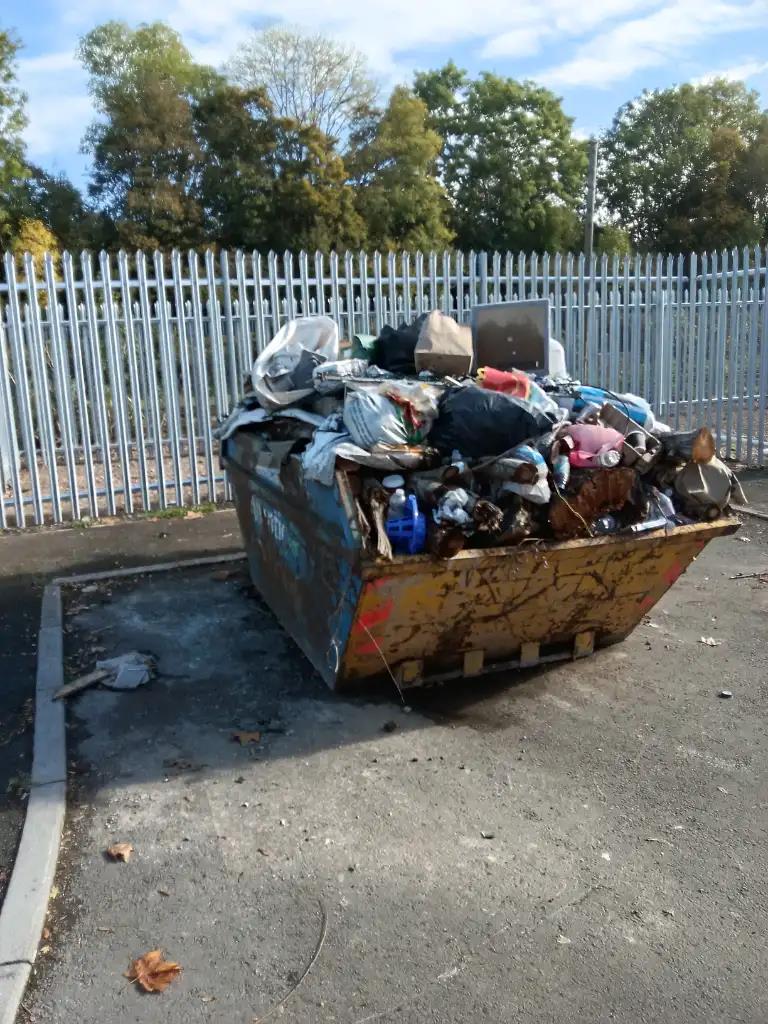
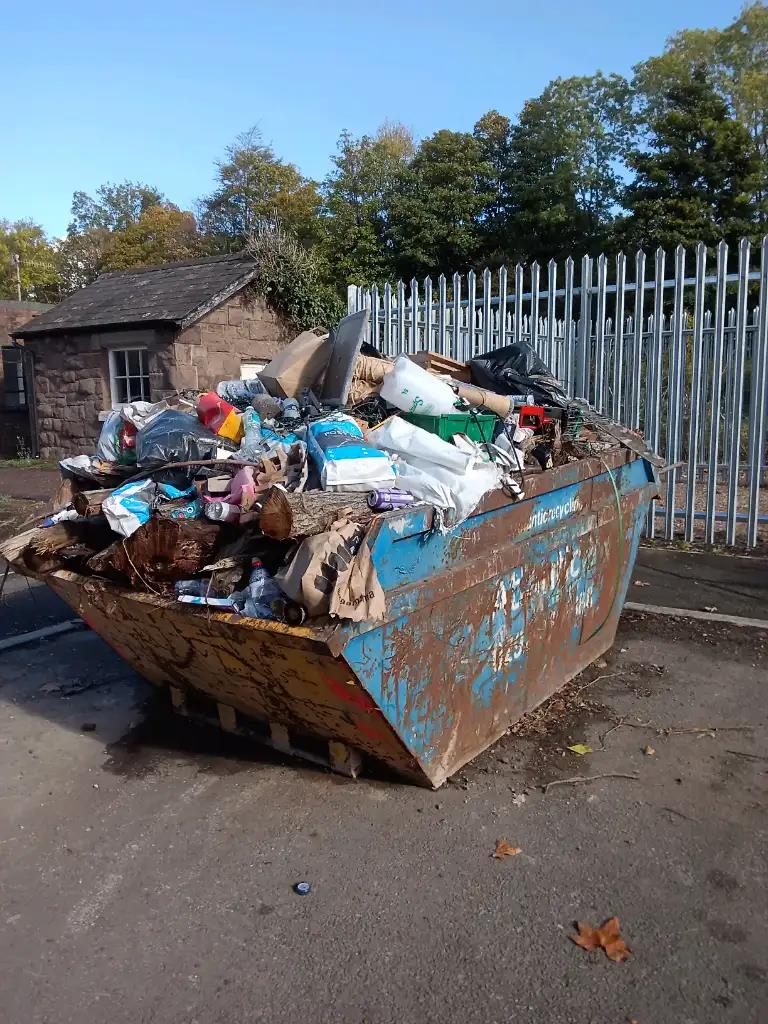
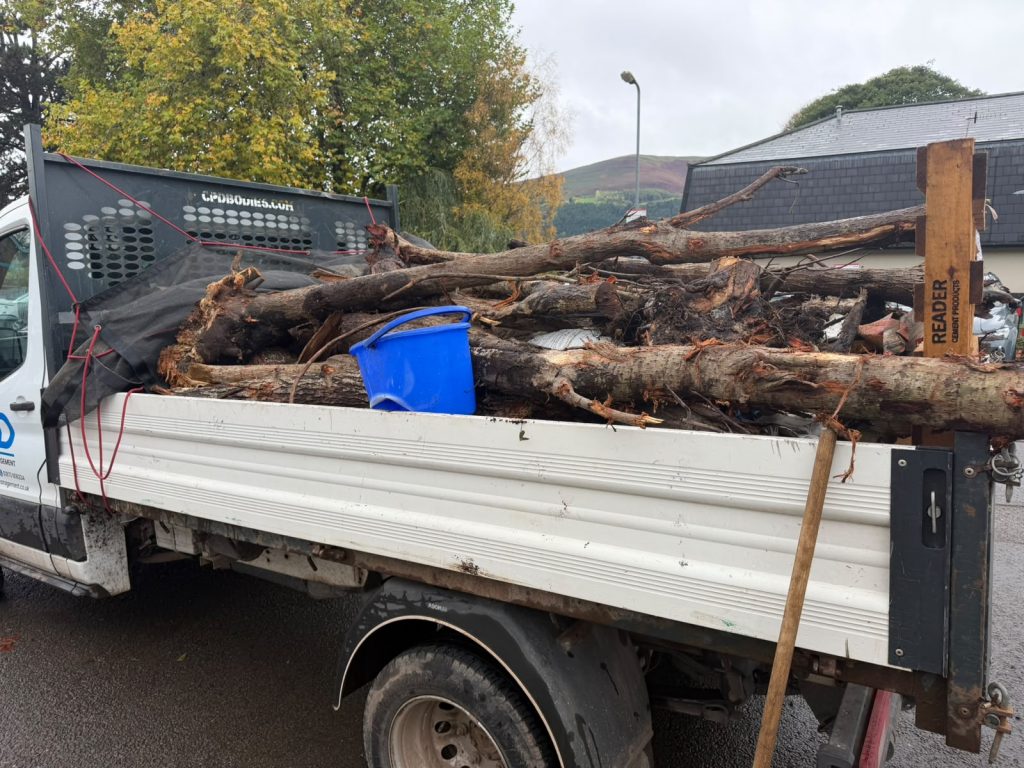
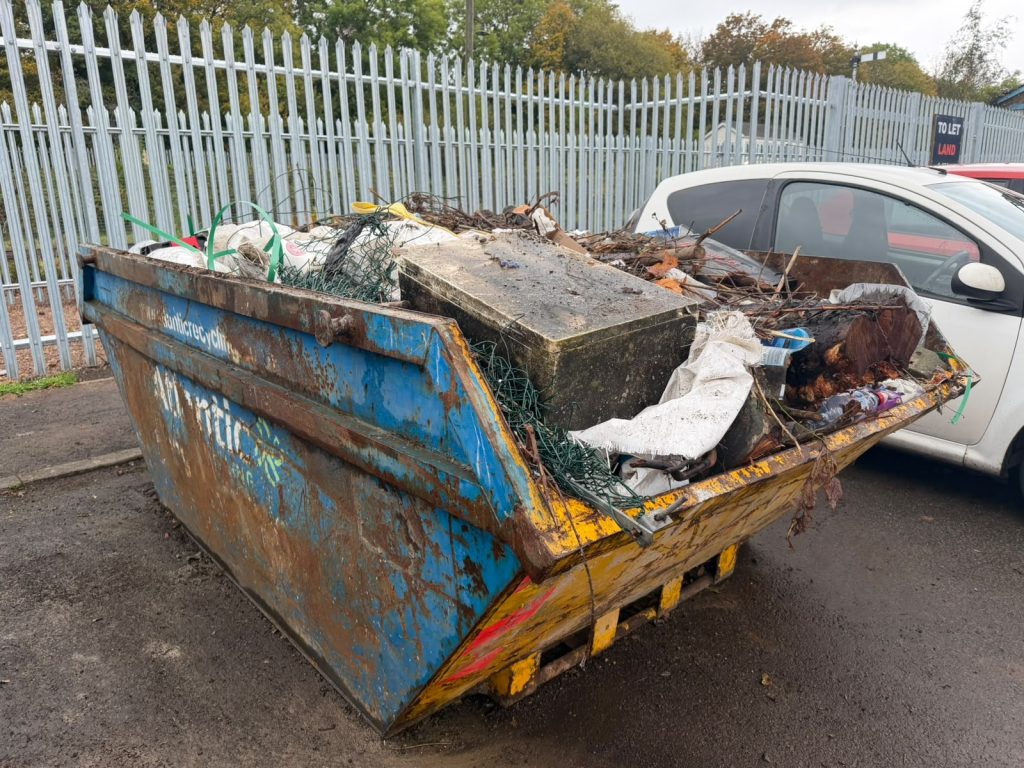
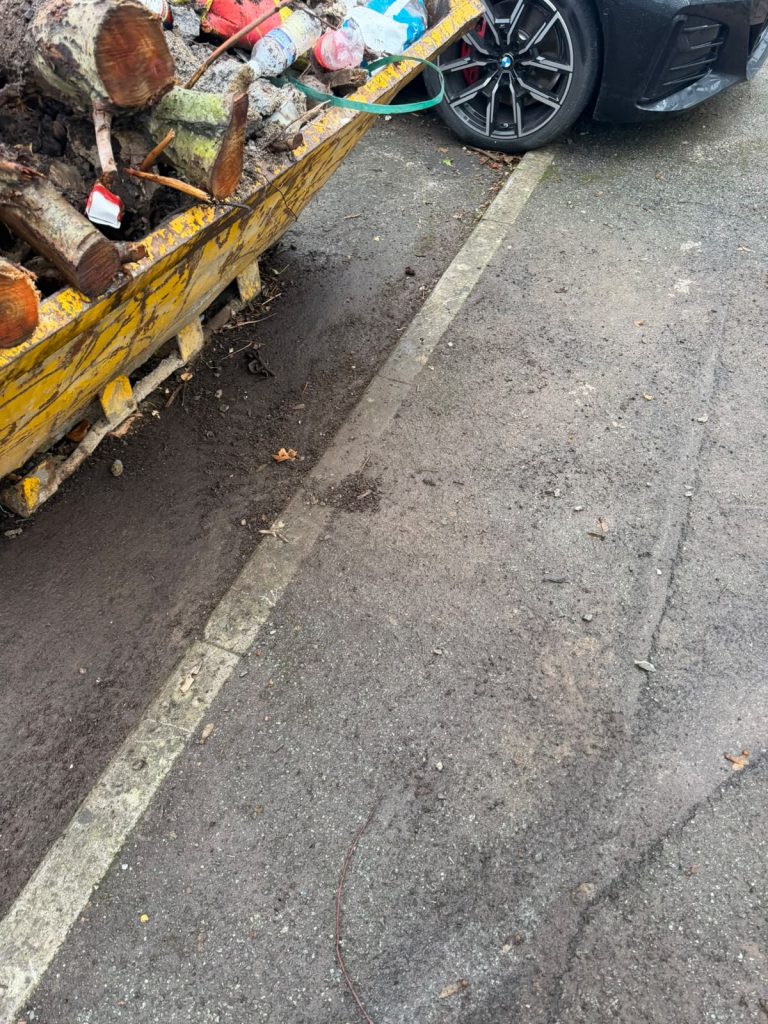
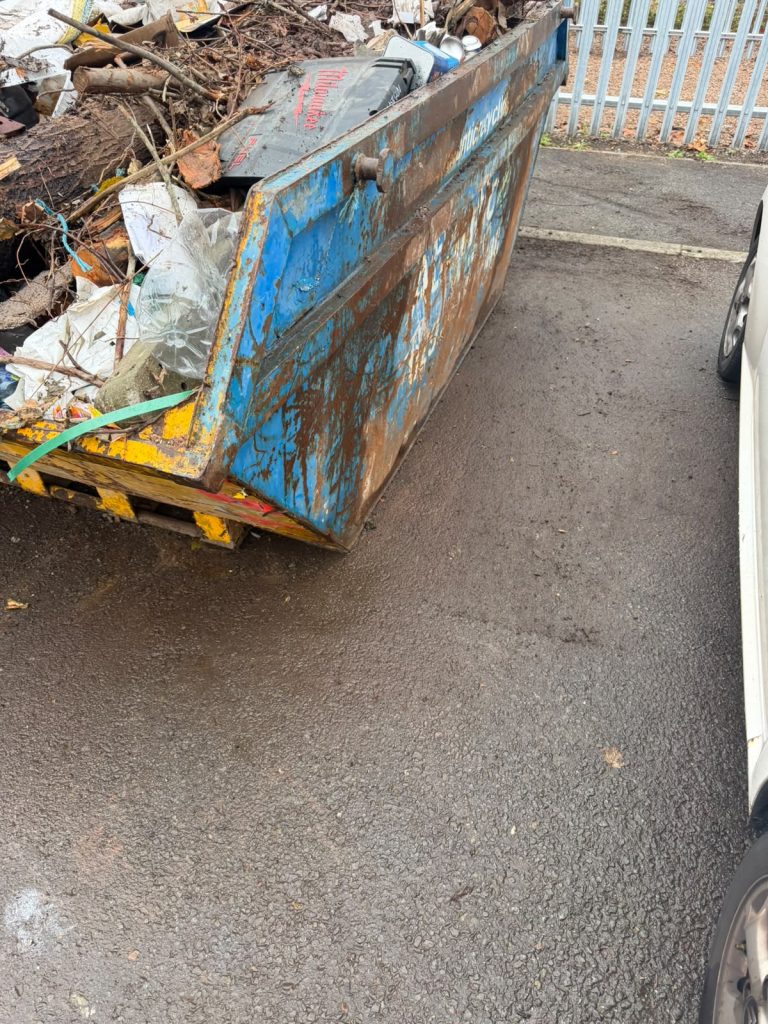
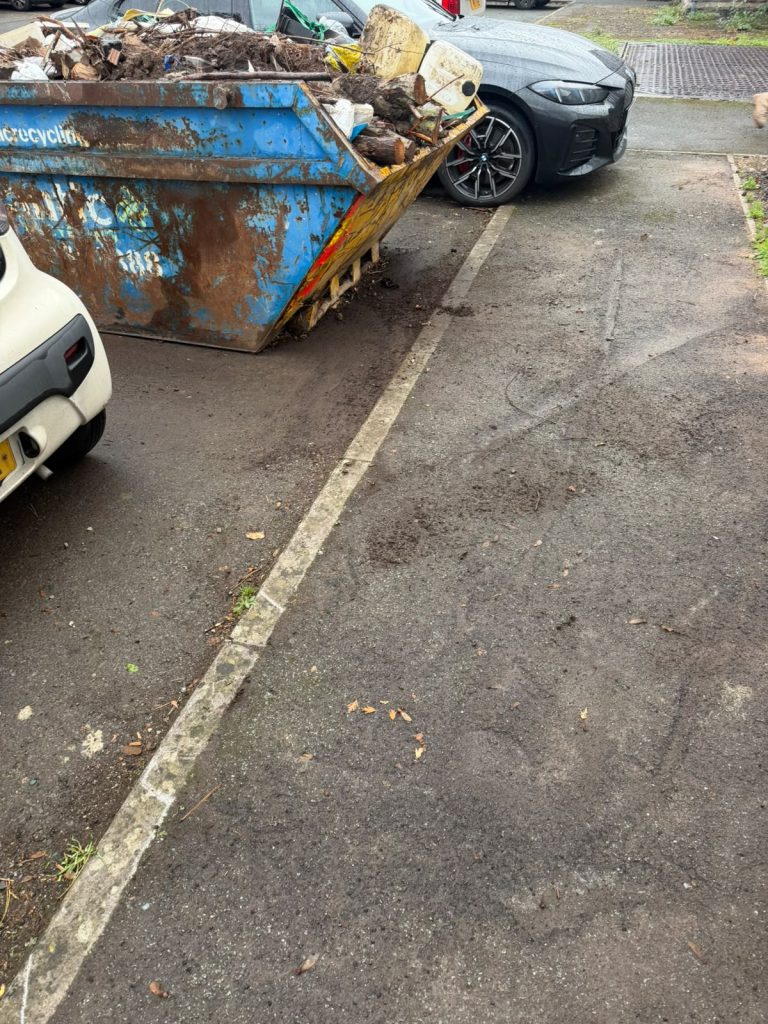
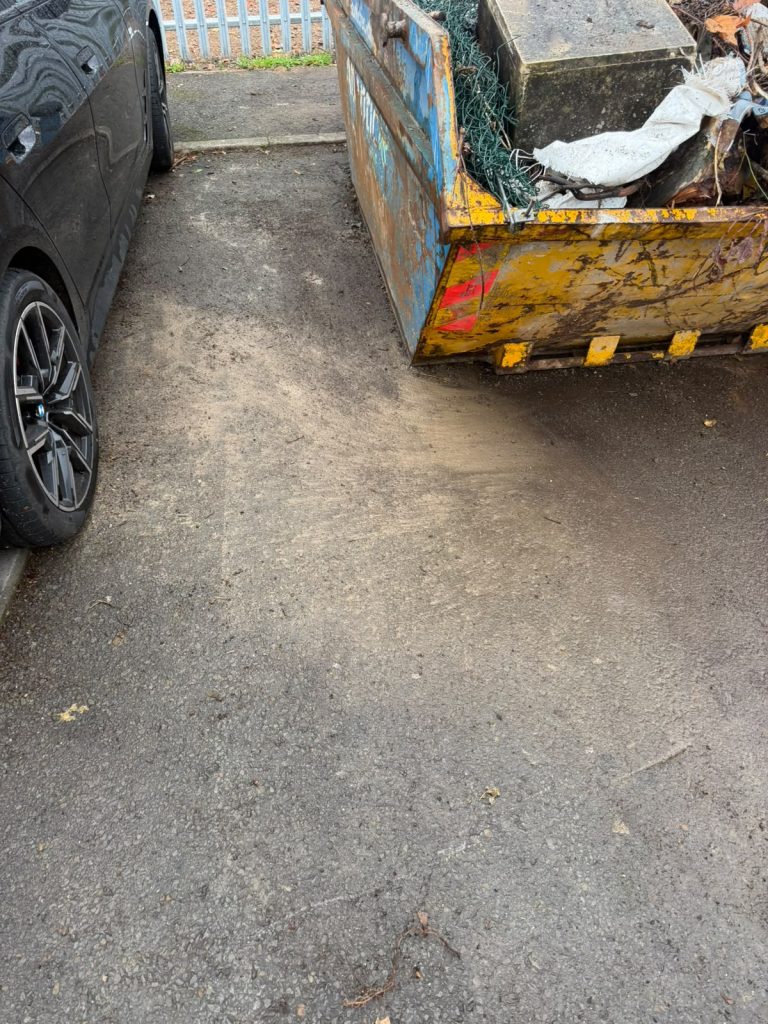
At first glance, the amount above the level line might not look particularly significant. However, when you see how much waste was taken off, it becomes clear that even a seemingly small amount can create a collection problem.
How LWP Site Solutions Can Help
As a waste management broker, LWP works with a trusted network of suppliers across the UK to help customers find practical solutions to their waste management challenges.
Whether you need advice on choosing the right skip, arranging additional collections or resolving an unexpected problem, we can coordinate with suppliers on your behalf.
We understand that businesses need to keep projects moving and employees focused on their work. Sometimes, that means finding a solution that goes beyond simply arranging a skip.
Need help with an overloaded skip, or planning waste removal for an upcoming project?
Get in touch with LWP Site Solutions to discuss your requirements. We’ll help you explore the options and find a solution that works for you.
Call us on 01422 763139 or email info@lwpsitesolutions.co.uk.